
 Admin
Admin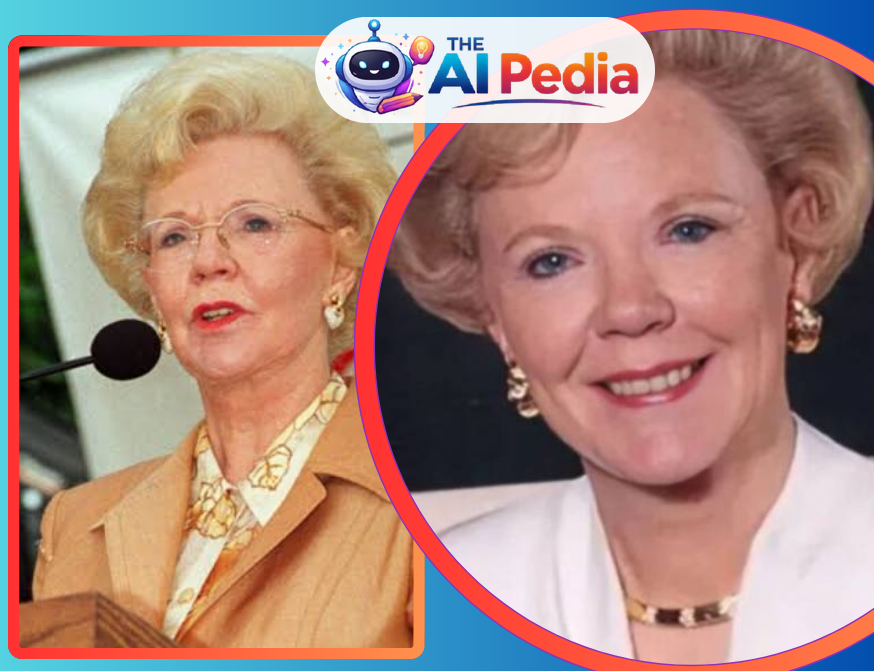
Few lives illustrate the contrast between immense wealth and humble purpose as profoundly as Marilyn Kroc Barg. Born into the family that would revolutionize the global fast-food industry, she could have embraced fame and fortune without question. Instead, she chose a quieter, more compassionate path—one rooted in empathy, generosity, and meaningful social impact. As the only daughter of Ray Kroc, the man who turned McDonald’s into a worldwide empire, her story unfolds not in boardrooms, but in hospitals, communities, and charitable initiatives that continue to change lives today.
Her journey is not just about inheritance—it is about intention. While her father built a business legacy measured in billions, Marilyn Kroc Barg cultivated a humanitarian legacy measured in hope, care, and dignity for others.
| Field | Details |
|---|---|
| Full Name | Marilyn Janet Kroc Barg |
| Known As | Marilyn Kroc Barg |
| Date of Birth | October 15, 1926 |
| Place of Birth | Oak Park, Illinois, USA |
| Date of Death | September 11, 1973 |
| Age at Death | 46 years |
| Place of Death | Arlington Heights, Illinois, USA |
| Burial Place | Memorial Park Cemetery, Skokie, Illinois |
| Nationality | American |
| Ethnicity | White (of European descent) |
| Religion | Not publicly documented |
| Parents | Father: Ray Kroc Mother: Ethel Janet Fleming |
| Father معروف for | Founder and CEO of McDonald’s Corporation |
| Siblings | None (Only child) |
| Marital Status | Married |
| First Husband | Sylvester Nordly Nelson (m. ~1949, died 1960) |
| Second Husband | James Walter “Bingo” Barg |
| Children | Believed to have one daughter (name not publicly disclosed) |
| Occupation | Philanthropist |
| Known For | Charitable work and humanitarian contributions |
| Associated With | Ray and Marilyn Kroc Foundation, early advocacy linked to Ronald McDonald House Charities |
| Health Condition | Diabetes |
| Cause of Death | Complications from diabetes |
| Net Worth (Approx.) | Estimated around $1 million at time of death |
| Residence | Arlington Heights & Evanston, Illinois |
| Legacy | Inspired philanthropic initiatives supporting children, healthcare, and families in need |
Early Life of Marilyn Kroc Barg
Marilyn Kroc Barg was born October 15, 1926, in Oak Park, Illinois, a suburban community known for its charm and cultural richness. She was born Marilyn Janet Kroc to Raymond Albert Kroc and Ethel Janet Fleming, forming a close-knit family of three. At the time of her birth, her father was far from the business icon he would later become, working as a traveling salesman selling milkshake machines.
Her childhood was shaped by modest living conditions, where financial uncertainty was a regular part of life. Despite this, her upbringing was filled with warmth and creativity. Her mother, Ethel, was a talented pianist who brought music and artistic expression into their home, while her father instilled determination and perseverance through his relentless work ethic.
Growing up during the Great Depression, Marilyn witnessed firsthand the struggles many families faced. These early experiences had a lasting influence on her worldview, nurturing a deep sense of compassion that would later define her philanthropic endeavors.
Family Background and Ray Kroc’s Influence
The story of Marilyn Kroc Barg is closely intertwined with the rise of her father, Ray Kroc, whose journey to success came later in life. It wasn’t until his early fifties that he discovered the McDonald brothers’ restaurant in California, recognizing its potential to become something far greater. By 1961, he had taken full control of the company, laying the foundation for what would become a global fast-food empire.
While this transformation brought immense wealth and recognition to the Kroc family, it also introduced personal challenges. Ray’s demanding career placed strain on his marriage to Ethel, eventually leading to their divorce in 1968 after decades together. For Marilyn, this period was emotionally complex, as she navigated the evolving dynamics within her family.
Despite the changes, she maintained a strong bond with her father. Ray often regarded her as a grounding presence in his life, someone who remained unaffected by fame and focused instead on genuine human connections.
Education and Personal Development
Although detailed public records about Marilyn Kroc Barg’s formal education are limited, it is widely understood that she received a traditional upbringing consistent with middle-class values of the time. She likely attended local schools in Illinois, where she developed friendships and interests that reflected her grounded personality.
Rather than pursuing public recognition or a high-profile career, Marilyn gravitated toward personal growth and community involvement. Her interests included the arts, charitable work, and social causes, areas where she could make a meaningful difference without attracting attention.
This preference for privacy would become a defining characteristic throughout her life. Even as her family’s wealth grew, she maintained a lifestyle that prioritized authenticity over extravagance.
Marriages and Personal Life
The personal life of Marilyn Kroc Barg reflects her desire for stability and companionship rather than public attention. In the late 1940s, she married Sylvester Nordly Nelson, beginning a chapter centered on family life. Their marriage lasted until his death in 1960, a loss that deeply affected her.
Later that same year, she found love again with James Walter “Bingo” Barg, whom she married and remained with for the rest of her life. Their relationship was described as supportive and grounded, offering her a sense of comfort and partnership.
The couple lived in Arlington Heights and Evanston, Illinois, where they maintained a relatively quiet existence. While there are indications that she may have had a daughter, details about her family life remain intentionally private, reflecting her lifelong commitment to discretion.
A Life Dedicated to Philanthropy
What truly distinguishes Marilyn Kroc Barg is her unwavering dedication to helping others. Rather than stepping into the corporate world of McDonald’s, she chose to invest her time and resources in philanthropy. Her charitable work focused primarily on children’s welfare, healthcare, and education, areas where she believed support could have the most lasting impact.
She was closely associated with initiatives that would later influence the creation of Ronald McDonald House Charities (RMHC). While she did not formally establish the organization, her advocacy and compassion for families with sick children helped lay the groundwork for its mission.
In addition, she contributed to the Ray and Marilyn Kroc Foundation, which supported scholarships, medical research, and community programs. Her approach to giving was deeply personal—she preferred quiet contributions over public recognition, often working behind the scenes to ensure help reached those in need.
The Influence of Compassion and Empathy
The philanthropic vision of Marilyn Kroc Barg was shaped by her early experiences during economic hardship. Having witnessed struggle firsthand, she developed a genuine understanding of the challenges faced by ordinary families. This empathy became the driving force behind her charitable efforts.
Unlike many heirs to significant wealth, she did not view money as a symbol of status. Instead, she saw it as a tool for positive change. Her contributions were often directed toward initiatives that provided immediate relief as well as long-term support, particularly for children and families dealing with medical crises.
Her quiet generosity created ripple effects that extended far beyond her lifetime, influencing how charitable organizations associated with the Kroc family would evolve in the years to come.
Health Challenges and Personal Struggles
Despite her compassionate spirit, Marilyn Kroc Barg faced significant personal challenges, particularly related to her health. She suffered from diabetes, a condition that, during her lifetime, was far more difficult to manage than it is today. The illness required ongoing care and often limited her physical well-being.
In addition to her health struggles, she experienced emotional hardships, including the loss of her first husband and the changing dynamics within her family. These experiences, however, did not diminish her commitment to helping others. Instead, they seemed to strengthen her resolve, deepening her empathy and reinforcing her dedication to philanthropy.
Her ability to endure personal difficulties while continuing to support others stands as a testament to her resilience and character.
The Untimely Death of Marilyn Kroc Barg
The life of Marilyn Kroc Barg was tragically cut short when she passed away on September 11, 1973, at the age of 46. Her death was attributed to complications from diabetes, a condition she had battled for years.
She died in Arlington Heights, Illinois, and was laid to rest at Memorial Park Cemetery in Skokie, Illinois. Her funeral was a private affair, reflecting her lifelong preference for modesty and privacy.
Her passing had a profound impact on her father, Ray Kroc, who was deeply affected by the loss of his only child. In the years that followed, he expanded his philanthropic efforts, in part to honor her memory and continue the work she had begun.
Lasting Legacy and Influence
Although her life was relatively short, the influence of Marilyn Kroc Barg continues to be felt decades later. Her compassionate vision played a role in shaping the philanthropic direction of the Kroc family, particularly through initiatives that support children and families in need.
Ronald McDonald House Charities, established shortly after her death in 1974, has since grown into a global organization operating in more than 60 countries. It provides housing and support to families with seriously ill children, embodying the very values Marilyn championed.
Her legacy also lives on through continued charitable work funded by the Kroc family, including education programs, healthcare initiatives, and community development projects. She is often remembered as the compassionate counterpart to her father’s business-driven legacy.
The Human Side of a Famous Family
The story of Marilyn Kroc Barg offers a rare glimpse into the human side of a globally recognized family. While the McDonald’s brand is synonymous with business success, her life reminds us that true legacy extends beyond financial achievement.
She chose a path defined not by public recognition, but by meaningful contributions to society. Her story highlights the importance of empathy, humility, and purpose, qualities that remain relevant in any era.
By focusing on people rather than profit, she created a legacy that continues to inspire those who value compassion over visibility.
Conclusion
Marilyn Kroc Barg lived a life that quietly redefined what it means to inherit wealth and responsibility. As the daughter of one of the most influential businessmen in history, she had every opportunity to live in the spotlight. Instead, she chose a different path—one centered on generosity, kindness, and genuine human connection.
Her contributions to philanthropy, particularly in supporting children and families, have left a lasting imprint that continues to benefit countless lives. Though she passed away at a young age, her legacy endures through the organizations and values she helped inspire.
In a world often focused on recognition and success, her story serves as a powerful reminder that true impact is measured not by visibility, but by the lives we touch.
Frequently Asked Questions (FAQs)
Who was Marilyn Kroc Barg?
Marilyn Kroc Barg was the only daughter of McDonald’s founder Ray Kroc and is remembered for her philanthropic contributions and private lifestyle.
When was Marilyn Kroc Barg born?
She was born on October 15, 1926, in Oak Park, Illinois.
How did Marilyn Kroc Barg die?
She passed away on September 11, 1973, due to complications related to diabetes.
Was Marilyn Kroc Barg involved in McDonald’s business?
No, she did not participate in the company’s operations and instead focused on charitable and personal pursuits.
What was her role in Ronald McDonald House Charities?
While she did not formally found the organization, her compassion and advocacy helped inspire its creation.
Who were Marilyn Kroc Barg’s husbands?
She was married to Sylvester Nordly Nelson and later to James Walter “Bingo” Barg.
What is Marilyn Kroc Barg’s legacy?
Her legacy is rooted in philanthropy, particularly in supporting children, healthcare initiatives, and community welfare programs.
Don’t miss out — explore more powerful stories only on 99 Blog