 Admin
Admin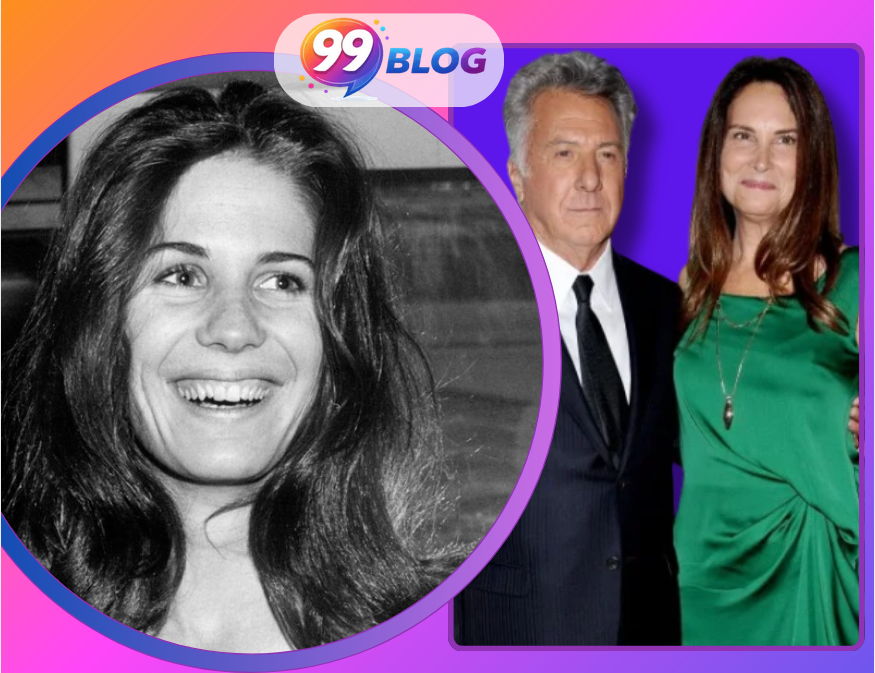
Hollywood history is often shaped not only by major stars but also by the quieter figures whose lives intersect with fame in meaningful ways. Anne Byrne Hoffman belongs to that category. Although her acting career was relatively brief, her life story continues to attract attention because of her work in film, her connection to actor Dustin Hoffman, and her graceful approach to life inside and outside the entertainment industry.
Known for her appearance in Woody Allen’s classic film Manhattan and for her marriage to one of Hollywood’s most respected actors, Anne Byrne Hoffman remains an intriguing personality. Her story reflects ambition, family devotion, artistic passion, and the complicated realities of celebrity culture during the 1970s and early 1980s.
| Field | Details |
|---|---|
| Full Name | Anne Byrne Hoffman |
| Birth Name | Anne Byrne |
| Date of Birth | September 28, 1943 |
| Age (2026) | 82 years old |
| Birthplace | Chappaqua, New York, USA |
| Nationality | American |
| Ethnicity | Irish-American |
| Religion | Catholic |
| Profession | Actress |
| Famous For | Role in Manhattan (1979) and former wife of Dustin Hoffman |
| Active Years | 1970s–1980s |
| Notable Movies | Manhattan, A Night Full of Rain, Why Would I Lie? |
| First Husband | Dustin Hoffman (m. 1969–div. 1980) |
| Second Husband | Ivan Kronenfeld (m. 1982–2018) |
| Children | Karina Hoffman, Jenna Byrne |
| Residence | United States |
| Marital Status | Widowed |
| Known For | Acting career and connection to Hollywood history |
Early Life and Childhood Background
Anne Byrne Hoffman was born on September 28, 1943, in Chappaqua, New York, USA. Chappaqua was known as a peaceful suburban town located north of New York City, offering a mix of traditional family life and proximity to America’s cultural capital.
Growing up in this environment exposed her to two very different worlds. On one side was the stability of suburban living, while on the other was the artistic energy of nearby Manhattan. This balance would later influence her personality and life choices.
She came from an Irish Catholic family, a background that emphasized close family ties, discipline, and traditional values. Those early influences remained visible throughout her adult life, especially in her dedication to motherhood and private family life despite her later connection to Hollywood fame.
From an early age, Anne Byrne reportedly showed an interest in storytelling, acting, and creative expression. New York’s thriving theater culture during the 1950s and 1960s offered inspiration for many aspiring performers, including her.
Education and Interest in Acting
Although detailed records about her formal education remain limited, Anne Byrne Hoffman likely spent much of her early adulthood exploring artistic and theatrical opportunities in New York City.
During the 1960s, New York served as one of the most important entertainment centers in America. Young actors frequently pursued careers through theater productions, acting workshops, independent films, and television auditions.
Like many performers of her generation, she developed her skills gradually rather than becoming an overnight celebrity. Her early career reflected determination and patience rather than aggressive fame-seeking.
This slower, quieter path into entertainment eventually helped shape the type of actress she became — understated, natural, and comfortable in character-driven projects instead of highly commercial productions.
Anne Byrne Hoffman’s Entry Into Film
By the 1970s, Anne Byrne Hoffman had begun appearing in film projects that showcased her subtle acting style. While her roles were not leading performances, they reflected an appreciation for thoughtful storytelling and artistic cinema.
One of her earlier appearances came in A Night Full of Rain (1978), directed by acclaimed filmmaker Joseph Losey. The film explored themes of love, emotional tension, and cultural differences.
Although her role was relatively small, participating in an international production introduced her to a broader artistic environment and strengthened her professional experience. It also showed her willingness to work in films focused on emotional realism instead of mainstream commercial appeal.
Her performances often carried a quiet authenticity that suited the era’s growing interest in naturalistic acting styles.
Breakthrough Role in Manhattan (1979)
The most recognized chapter of Anne Byrne Hoffman’s acting career arrived in 1979 with her appearance in Woody Allen’s celebrated film Manhattan.
The movie became one of the defining cinematic portraits of New York City and remains highly regarded in American film history. Featuring stars such as Woody Allen, Diane Keaton, Mariel Hemingway, and Michael Murphy, the film examined complicated relationships, romance, insecurity, and intellectual life in Manhattan.
Anne Byrne Hoffman played Emily, the wife of Michael Murphy’s character. Though her role was not central to the film’s plot, her presence contributed to the emotional complexity of the story.
Her performance fit perfectly within Woody Allen’s conversational and realistic filmmaking style. She brought calmness and emotional subtlety to the role, helping create the film’s sophisticated atmosphere.
Being associated with Manhattan permanently linked her name to one of the most respected films of the late 1970s.
Other Acting Work and Film Credits
Following Manhattan, Anne Byrne Hoffman continued appearing in selected projects, though her filmography remained relatively short.
In 1980, she appeared in the comedy film Why Would I Lie?, starring Treat Williams. She played the character Faith, contributing another supporting performance to her acting resume.
Around the same period, she also participated in the documentary-style project Women at West Point (1979), which focused on women entering the United States Military Academy. This involvement reflected an interest in socially relevant subjects beyond traditional Hollywood entertainment.
Although she never became a mainstream movie star, her body of work demonstrated artistic sincerity and professionalism. Many actors build meaningful careers without becoming global celebrities, and Anne Byrne Hoffman’s career fits that category.
Her performances remain appreciated by film historians and fans interested in 1970s American cinema.
Meeting Dustin Hoffman
One of the most significant turning points in Anne Byrne Hoffman’s life came through her relationship with actor Dustin Hoffman.
The couple first met in 1963, years before Dustin Hoffman achieved international fame. At that time, he was still struggling to establish himself as an actor in New York’s competitive theater environment.
Their relationship developed gradually during a period when both were navigating artistic ambitions and uncertain career paths. Unlike many Hollywood romances formed after fame arrives, their connection began before Dustin became a household name.
This early foundation likely created a strong emotional bond between them, built on shared experiences and mutual understanding of artistic life.
By the late 1960s, Dustin Hoffman’s career changed dramatically after his breakthrough performance in The Graduate (1967).
Marriage and Family Life
Anne Byrne Hoffman and Dustin Hoffman married on May 4, 1969, beginning a marriage that lasted more than a decade.
Before their marriage, Anne Byrne already had a daughter named Karina, born in 1966 from a previous relationship. After marrying Anne, Dustin Hoffman legally adopted Karina, embracing her as part of their family.
Later that same year, the couple welcomed their daughter Jenna Byrne, born on October 15, 1969.
Motherhood became one of the defining aspects of Anne Byrne Hoffman’s life. While Dustin Hoffman’s acting career expanded rapidly through films such as Midnight Cowboy, Little Big Man, and Kramer vs. Kramer, she focused heavily on family responsibilities and creating stability at home.
Her role behind the scenes became increasingly important as Dustin’s professional obligations grew more demanding.
Life in Greenwich Village
During the late 1960s and early 1970s, the Hoffman family lived in Greenwich Village, one of New York City’s most culturally vibrant neighborhoods.
The area was famous for artistic communities, political activism, theater culture, and intellectual life. Living there exposed the family to both creative inspiration and social unrest during a turbulent period in American history.
One of the most shocking events connected to their time in Greenwich Village occurred in 1970, when an explosion involving members of the radical group Weather Underground happened near their residence.
The tragic explosion attracted national attention and served as a reminder of the unpredictable atmosphere surrounding political activism during that era.
For Anne Byrne Hoffman, the incident highlighted how quickly ordinary family life could intersect with larger historical events.
Challenges in the Marriage
As Dustin Hoffman’s fame grew throughout the 1970s, maintaining a balanced marriage became increasingly difficult.
Hollywood success often requires long filming schedules, travel, media obligations, and emotional strain. While Dustin Hoffman became one of America’s most respected actors, the pressures of celebrity life placed growing stress on the relationship.
Anne Byrne Hoffman reportedly preferred a quieter and more family-oriented lifestyle, while Dustin’s career demanded constant professional attention.
By the end of the decade, emotional distance and lifestyle differences contributed to the breakdown of the marriage. In 1980, after more than ten years together, the couple officially divorced.
Despite the separation, both remained committed to co-parenting their daughters and maintaining family stability.
Life After Divorce
Following her divorce from Dustin Hoffman, Anne Byrne Hoffman gradually stepped away from Hollywood visibility.
Unlike many celebrity spouses who remain active in entertainment media after high-profile separations, she chose a quieter and more private lifestyle focused on personal happiness and family life.
In 1982, she married Ivan Kronenfeld, an actor and writer. Their relationship marked a calmer chapter in her life, far removed from the intense spotlight that accompanied her previous marriage.
The couple remained together for decades until Ivan Kronenfeld’s death on October 25, 2018.
Her decision to live privately demonstrated a strong sense of independence and personal balance. Rather than chasing fame, she appeared to prioritize emotional peace and meaningful relationships.
Anne Byrne Hoffman’s Legacy
Although Anne Byrne Hoffman never became a major Hollywood star, her story continues to resonate with film enthusiasts and celebrity historians.
Her role in Manhattan secured her place within the legacy of classic American cinema. Meanwhile, her personal life offers insight into the emotional realities of living close to major Hollywood fame during a transformative era in entertainment history.
She is remembered as an actress who valued authenticity over celebrity culture. Her life also reflects the experiences of many women connected to famous public figures while still maintaining their own identities and priorities.
Today, Anne Byrne Hoffman remains respected for her grace, privacy, and quiet contributions to film and family life.
Personal Life and Public Image Today
As of 2026, Anne Byrne Hoffman maintains an extremely low public profile. She has not returned to major acting projects and rarely appears in entertainment news.
This privacy has helped preserve an air of mystery around her life, making her biography especially interesting for readers curious about classic Hollywood relationships and overlooked performers.
Unlike many former Hollywood figures who continuously seek media attention, she represents a different kind of celebrity legacy — one built on subtle influence rather than constant publicity.
Her life story continues attracting attention because it combines film history, family devotion, and personal resilience in a uniquely human way.
Conclusion
Anne Byrne Hoffman’s life journey reflects much more than a brief acting career. From her upbringing in Chappaqua, New York, to her memorable appearance in Manhattan and her marriage to Dustin Hoffman, she experienced both the glamour and complexity of life near Hollywood fame.
Despite public attention surrounding her marriage and family, she consistently maintained dignity, privacy, and emotional balance. Her contributions to film may have been modest in scale, but her story remains meaningful within the broader history of American entertainment.
Today, Anne Byrne Hoffman is remembered not only as an actress but also as a devoted mother, private individual, and graceful presence connected to one of Hollywood’s most fascinating eras.
Frequently Asked Questions (FAQs)
1. Who is Anne Byrne Hoffman?
Anne Byrne Hoffman is an American actress best known for her role in Manhattan (1979) and for being the former wife of actor Dustin Hoffman.
2. When was Anne Byrne Hoffman born?
She was born on September 28, 1943.
3. What movies did Anne Byrne Hoffman appear in?
Her notable films include Manhattan (1979), A Night Full of Rain (1978), and Why Would I Lie? (1980).
4. Was Anne Byrne Hoffman married to Dustin Hoffman?
Yes. She married Dustin Hoffman in 1969, and they divorced in 1980.
5. How many children does Anne Byrne Hoffman have?
She has two daughters: Karina and Jenna Byrne.
6. Who was Anne Byrne Hoffman’s second husband?
Her second husband was actor and writer Ivan Kronenfeld, whom she married in 1982.
7. Is Anne Byrne Hoffman still acting?
No. She has largely remained retired from acting since the early 1980s and lives a private life away from Hollywood.
Don’t miss out — explore more powerful stories only on 99 Blog