 Admin
Admin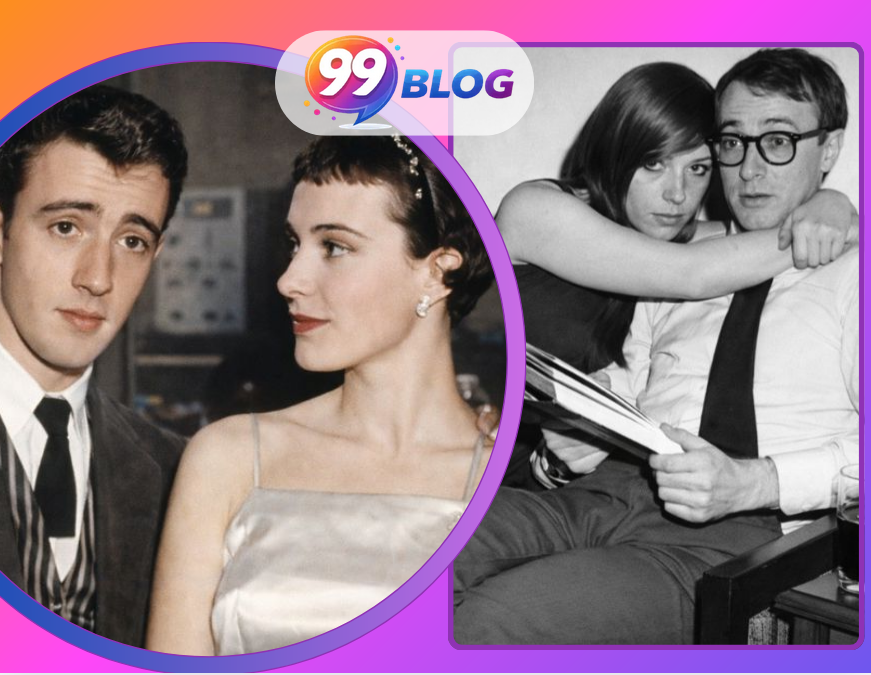
In the glittering yet often unforgiving world of entertainment, some stories unfold quietly in the background, far from the spotlight. Harlene Rosen is one such figure—a woman whose early life became intertwined with a rising comedy icon, only for her to step away and reclaim her own narrative. Known primarily as the first wife of Woody Allen, her journey reflects youth, resilience, and the courage to rebuild after a highly publicized chapter.
While many remember her through the lens of her marriage, her life extends far beyond that connection. From a teenage bride navigating an uncertain future to a professional carving her own identity, her story offers insight into the personal realities behind celebrity culture. This detailed biography explores her early years, marriage, challenges, and the quiet strength that defined her later life.
| Field | Details |
|---|---|
| Full Name | Harlene Susan Rosen |
| Known As | Harlene Rosen |
| Date of Birth | November 30, 1938 |
| Age (as of 2026) | 87 years old |
| Place of Birth | New York City, United States |
| Nationality | American |
| Ethnicity | Jewish-American |
| Religion | Judaism (inferred from family background) |
| Zodiac Sign | Sagittarius |
| Famous For | Being the first wife of Woody Allen |
| Marital Status | Divorced |
| Ex-Spouse | Woody Allen (Allan Stewart Konigsberg) |
| Marriage Date | March 15, 1956 |
| Divorce Finalized | 1962 |
| Marriage Duration | Approx. 6 years (separated in 1959) |
| Age at Marriage | 16 years old |
| Children | None |
| Profession | Computer Programmer, Systems Analyst |
| Career Field | Technology / IT |
| Notable Legal Case | Filed defamation lawsuit against Woody Allen |
| Net Worth | Not publicly disclosed |
| Current Residence | Not publicly known |
| Social Media Presence | None |
| Public Appearances | Very rare / none in recent years |
| Known For Personality | Private, resilient, independent |
| Current Status (2026) | Living a quiet, private life |
Who Is Harlene Rosen?
Harlene Rosen, born November 30, 1938, in New York City, is an American woman best known for her early marriage to filmmaker and comedian Woody Allen. Growing up in a middle-class Jewish family, she experienced a relatively typical upbringing before her life took a dramatic turn during her teenage years.
Her public identity is closely tied to her relationship with Allen, but she was more than just a spouse in a famous partnership. She was part of his early creative environment, contributing to the formative years of his career. Despite this connection, she later chose a path defined by independence and privacy rather than continued public association.
Early Life and Background
The early life of Harlene Rosen remains largely private, reflecting her lifelong preference for staying out of the spotlight. Raised in New York during the 1940s and 1950s, she grew up in a culturally vibrant environment that shaped her perspective and interests. The city’s dynamic arts and intellectual scene likely influenced her exposure to creativity and performance.
As a young woman, she was described as intelligent and musically inclined. She reportedly played piano and participated in creative activities, suggesting an early appreciation for the arts. This background would later connect naturally with Woody Allen’s emerging career in entertainment, creating a shared space of creativity during their relationship.
Meeting Woody Allen
The story of Harlene Rosen took a significant turn when she met Woody Allen, then known as Allan Stewart Konigsberg, in the mid-1950s. At the time, Allen was beginning his journey as a comedy writer and performer, still far from the global recognition he would later achieve.
Their relationship developed quickly, fueled by youthful energy and shared interests. Allen proposed while she was still a teenager, marking the beginning of a partnership that would soon become part of Hollywood history. Their connection was formed during a time of personal growth for both individuals, adding complexity to their relationship.
A Teenage Marriage in the Spotlight
In March 1956, Harlene Rosen married Woody Allen at just 16 years old, while he was 20. This early marriage placed both individuals in adult roles before they had fully developed emotionally or professionally. Their union lasted approximately six years, though they separated after only a few years together.
During this period, Allen was working tirelessly to establish himself in comedy. He wrote for television, performed stand-up routines, and developed the persona that would later define his career. Meanwhile, she adapted to the demands of being married to an ambitious artist, navigating challenges that came with instability and public exposure.
Challenges Within the Marriage
The marriage between Harlene Rosen and Woody Allen faced increasing strain as his career progressed. One of the most significant issues was his use of their personal life as material for comedy. He often referenced their relationship in jokes and performances, which audiences found amusing but she experienced as deeply hurtful.
This dynamic created emotional tension, as private matters became public entertainment. The imbalance between personal boundaries and professional expression contributed to growing dissatisfaction. As Allen later admitted, he lacked the maturity needed to sustain a healthy marriage at that stage in his life.
Separation and Divorce
By 1959, the couple had separated, and their divorce was finalized in 1962. The end of their marriage was marked by legal claims of mental cruelty, highlighting the emotional challenges she faced during the relationship. The divorce settlement included modest financial support, reflecting Allen’s still-developing career at the time.
Although their separation did not involve major public scandals, it carried significant emotional weight. For Harlene Rosen, it marked the end of a formative chapter and the beginning of a journey toward independence. The experience shaped her perspective and influenced her decision to step away from public life.
Life After Woody Allen
Following her divorce, Harlene Rosen made a deliberate choice to live outside the entertainment industry. Rather than remaining connected to Hollywood, she pursued a career in computer programming and systems analysis, a field that was rapidly evolving during the late 20th century.
Her transition into technology demonstrated adaptability and determination. At a time when fewer women were represented in technical professions, she carved out a space for herself through skill and perseverance. This career shift allowed her to build a stable and independent life, far removed from the spotlight of her past.
Legal Dispute and Defamation Case
Years after their divorce, Harlene Rosen reentered public discussion when she filed a defamation lawsuit against Woody Allen. The case stemmed from comments he made about their marriage, which she believed misrepresented her and caused harm to her reputation.
The lawsuit resulted in a settlement, though specific details were not disclosed. This legal action highlighted her willingness to defend her dignity and assert control over her narrative. It also raised broader questions about the boundaries between artistic expression and personal respect, particularly in the context of comedy.
Personal Growth and Reconciliation
Despite the challenges of their past, Harlene Rosen demonstrated a capacity for growth and closure. Decades after their divorce and legal disputes, she publicly wished Woody Allen a happy 80th birthday, signaling a shift toward reconciliation. This gesture suggested that time had softened earlier tensions.
Her ability to move forward reflects emotional resilience and maturity. Rather than remaining defined by conflict, she chose a path of personal peace. This aspect of her story adds depth to her character, illustrating strength not only in adversity but also in forgiveness.
A Life of Privacy and Independence
One of the most notable aspects of Harlene Rosen’s life is her commitment to privacy. Unlike many individuals connected to celebrities, she did not capitalize on her past for public attention. She avoided interviews, media appearances, and social platforms, maintaining a low profile for decades.
This decision allowed her to live authentically, free from the expectations and scrutiny associated with fame. Her story demonstrates that it is possible to redefine oneself after a high-profile relationship, choosing personal fulfillment over public recognition.
Legacy and Public Perception
The legacy of Harlene Rosen is often overshadowed by her association with Woody Allen, yet her life tells a broader story. She represents a generation of women who navigated complex personal and societal challenges while building independent identities.
Her journey highlights themes of youth, vulnerability, and resilience. She entered adulthood under unusual circumstances but emerged with a strong sense of self. Today, she is remembered not only as a figure from Allen’s past but also as someone who quietly shaped her own future.
Harlene Rosen Today
As of 2026, Harlene Rosen is believed to be in her late 80s, living a private life away from public attention. There is little confirmed information about her current activities or location, reflecting her consistent desire for privacy.
Her later years appear to be defined by peace and independence. Having moved beyond the challenges of her early life, she stands as an example of how individuals can reclaim their identity and live on their own terms. Her story continues to resonate with those who value dignity and personal growth.
Conclusion
The life of Harlene Rosen is a compelling narrative of transformation and quiet strength. From a teenage marriage to a rising comedian to a successful career in technology, her journey reflects resilience and determination. She chose not to remain in the shadow of fame, instead building a life defined by independence and privacy.
Her story serves as a reminder that behind every public figure are individuals whose lives are equally complex and meaningful. By stepping away from the spotlight, she demonstrated that true fulfillment often lies in authenticity rather than recognition. Her legacy endures as a testament to personal reinvention and enduring dignity.
Frequently Asked Questions (FAQs)
1. Who is Harlene Rosen?
She is best known as the first wife of Woody Allen, married from 1956 to 1962.
2. How old was Harlene Rosen when she got married?
She was 16 years old at the time of her marriage.
3. Why did Harlene Rosen and Woody Allen divorce?
Their divorce involved claims of mental cruelty and issues related to public jokes about their marriage.
4. Did Harlene Rosen have children?
No, she did not have any children with Woody Allen.
5. What did Harlene Rosen do after her divorce?
She pursued a career in computer programming and systems analysis.
6. Did Harlene Rosen take legal action against Woody Allen?
Yes, she filed a defamation lawsuit, which was settled privately.
7. Is Harlene Rosen still alive?
As of 2026, she is believed to be alive and living a private life.
Don’t miss out — explore more powerful stories only on 99 Blog