 Admin
Admin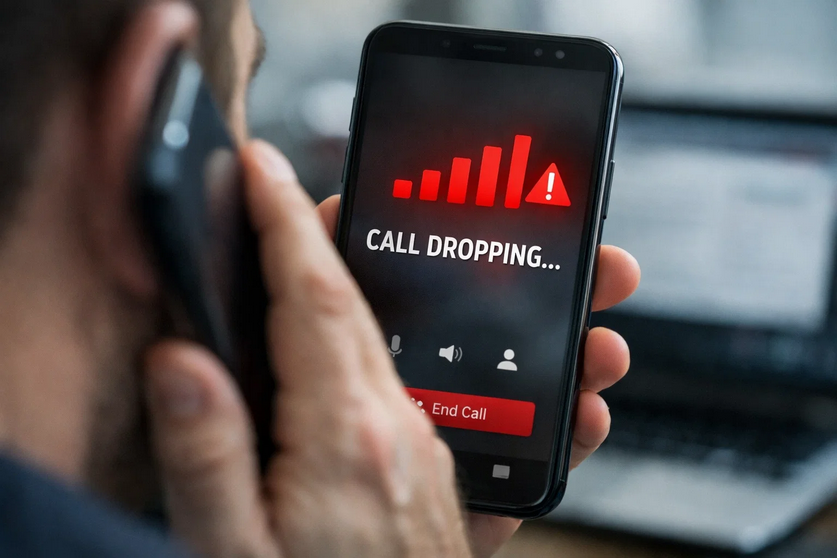
Imagine you’re in the middle of an important call, and suddenly your phone shows a red signal icon. Panic sets in. In today’s hyper-connected world, a red phone signal is more than a nuisance—it’s an urgent alert that your device is struggling to maintain connectivity. Understanding what it signifies, why it appears, and how to fix it can save frustration, prevent missed calls, and ensure uninterrupted access to emergency services when you need them most.
What Is a Red Phone Signal?
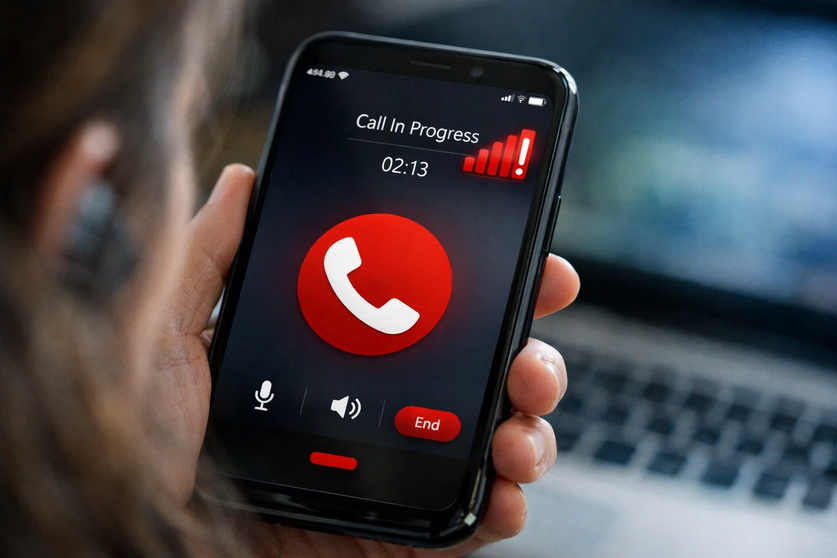
A red phone signal is a visual alert displayed on your smartphone’s status bar, typically colored red to immediately grab attention. Unlike traditional green or gray signal bars, the red signal communicates a network issue, limited service, or emergency alert. It appears on Android and iPhone devices when:
- Your device loses carrier connection.
- You switch to a limited or weak network.
- You receive a priority alert, like an emergency broadcast.
Manufacturers like Apple, Samsung, and Google use this design to ensure users notice urgent connectivity issues. The red hue taps into a universal instinct: red signifies stop, danger, or action, making it ideal for critical mobile notifications. Spotting it early allows you to troubleshoot quickly before disruptions escalate.
Historical Background of Red Phone Signals
The concept of a red phone signal has deep historical roots. It traces back to the Cold War era when red telephones were installed in Moscow and Washington D.C. as part of the famous hotline system. These phones symbolized urgency, ensuring direct communication during crises.
By the 1990s, as mobile phones became mainstream, carriers introduced color-coded signal icons: green for strong coverage, yellow for weak, and red for no service. Early Nokia models popularized red bars for “out-of-service” warnings, a practice that continues today. Telecom giants like Verizon and AT&T standardized red for emergency broadcasts, bridging historical significance with modern network technology.
Common Causes of Red Phone Signals
Several factors trigger a red phone signal. Identifying the root cause is the first step to restoring connectivity:
- Weak Signal Strength: Rural locations, underground spaces, or thick-walled buildings block towers.
- Network Congestion: Overloaded towers during peak hours or large events limit service.
- Device Interference: Microwaves, Wi-Fi routers, and nearby electronics disrupt frequencies.
- SIM Card Issues: Faulty, outdated, or improperly seated SIM cards often trigger red alerts.
- Software Glitches: Outdated OS or buggy apps cause temporary signal drops.
- Environmental Factors: Weather conditions, high-rise buildings, and terrain can interfere with signals.
Urban users in high-density cities like Hyderabad, Pakistan, may experience red signals more often due to building interference or network saturation.
Red Phone Signal on Android Devices
Android phones display the red phone signal prominently, often with an “X” or slashed icon. Devices like the Samsung Galaxy series show it during 5G-to-4G transitions, while Google Pixel flags it for VoLTE or network failures.
How to Diagnose Red Signals on Android:
- Swipe down for Quick Settings; check if red persists in network info.
- Navigate to Settings > Network & Internet > Mobile Network for carrier status.
- Android 15 updates (rolled out in 2025) added haptic feedback when a red signal appears.
- Toggle Airplane Mode or reset network settings for simple fixes.
- Advanced: Dial
##4636##for detailed signal logs.
Brands like OnePlus and Xiaomi customize red signal alerts for regional bands, helping users in dense areas quickly identify connectivity issues.
Red Phone Signal on iPhone
On iPhones, the red phone signal may appear as faded or red-tinted bars, especially after iOS 18 updates in 2025. It commonly shows during No Service states or SOS mode, prioritizing emergency connectivity.
iPhone Troubleshooting:
- Go to Settings > Cellular > Cellular Data Options.
- Enable 5G Auto to allow dynamic network adaptation.
- In remote zones, iPhones may switch to satellite texting for emergency messages.
- The iPhone 16 integrates Dynamic Island, pulsing red for low signal, combining alerts with subtle haptic cues.
Red signals on iOS typically mirror Android causes: poor coverage, iCloud sync issues, or network congestion.
Troubleshooting Red Phone Signal Issues
Fixing a red phone signal requires a mix of simple and advanced methods:
- Restart Your Phone: Clears temporary glitches in most cases.
- Toggle Airplane Mode: Wait 30 seconds before re-enabling.
- Check SIM Card: Remove, clean, reinsert; test in another device.
- Update Software: Ensure latest OS patches are installed.
- Reset Network Settings: Erases saved Wi-Fi but resolves deep network issues.
- Carrier Support: Visit local service centers like Jazz or Telenor in Pakistan.
- Signal Mapping Apps: Use tools like OpenSignal to identify weak zones.
Consistent red signals may indicate hardware issues requiring professional repair.
Psychological Impact of Red Alerts
The red color has innate psychological effects:
- Increases heart rate by ~20%, enhancing focus.
- Creates a sense of urgency, prompting immediate action.
- UX designers pair red icons with phone symbols to generate “affordance,” encouraging user interaction.
However, overuse may desensitize users, reducing effectiveness. Carriers conduct A/B tests to ensure alerts remain noticeable without causing panic.
Red Phone Signal in Emergency Situations
Red phone signals are not just for glitches—they play a critical role in emergencies:
- Wireless Emergency Alerts (WEA) flash red for AMBER alerts, natural disasters, or government broadcasts.
- During Pakistan floods in 2025, red alerts helped guide evacuations efficiently.
- Devices prioritize 911 or SOS calls, bypassing queues for life-saving connectivity.
- Integrated tools like Android Emergency Location and Apple Crash Detection leverage red alerts for rapid response.
Red signals ensure users remain reachable and informed during critical events.
Impact on Call Quality and Data Speeds
A red phone signal significantly affects mobile performance:
- Dropped Calls: Frequent interruptions in voice calls.
- Slow Data Speeds: Latency spikes exceeding 500ms; downloads stall.
- VoIP Issues: Apps like WhatsApp or Zoom may fail.
- Fallback Networks: Devices often drop to 2G/3G, limiting functionality.
Pro tip: Enable Wi-Fi calling to bridge gaps and maintain voice connectivity during red signal events.
Regional Differences in Red Phone Signals
Red signal indicators vary globally:
- Pakistan: PTA standards use red for no-service warnings.
- US Networks (T-Mobile, Verizon): Red often signals roaming or priority alerts.
- Asia-Pacific (Airtel, Telstra): Red may include vibration patterns for accessibility.
- Custom ROMs: Some Android users recolor signals, though stock indicators are safer.
Understanding local signal conventions helps interpret red alerts accurately.
Future of Red Phone Signals in 5G and 6G
Emerging networks are redefining red signals:
- AI Prediction: Advanced algorithms warn users before signal drops.
- AR/Holographic Displays: Red icons could project in 3D, visible on smart glasses.
- Satellite Integration: Services like Starlink Mobile aim to minimize red zones entirely.
- Energy Efficiency: e-ink displays reduce battery usage during red alerts.
As networks densify, the red phone signal will evolve from reactive warning to predictive guidance.
Best Practices to Avoid Red Phone Signals
Proactive habits can reduce red alerts:
- Use Signal Boosters: Devices like WeBoost amplify indoor signals.
- Phone Placement: Elevate near windows or open spaces.
- Coverage Maps: Apps like CellMapper highlight weak zones.
- Dual-SIM Setup: Switch carriers seamlessly for backup coverage.
- Battery Management: Keep phones charged; low power modes may reduce reception.
- Wide-Band Phones: Support multiple bands for better global connectivity.
Consistently applying these strategies ensures stronger signals and fewer red alerts.
Myths and Facts About Red Phone Signals
- Myth: Red drains battery faster.
Fact: Red is just a display; battery drain is negligible. - Myth: Carriers throttle red intentionally.
Fact: Regulatory oversight makes this rare. - Myth: Factory reset always fixes red signals.
Fact: Only effective if software-related; hardware issues persist.
Knowing the truth prevents unnecessary panic and costly repairs.
Conclusion
The red phone signal is a vital alert combining historical significance, psychology, and modern technology. From Cold War hotlines to today’s 5G networks, it remains a critical tool for connectivity, safety, and user awareness. By understanding causes, troubleshooting methods, and proactive strategies, you can minimize disruptions and stay connected when it matters most. Embrace the warning, adopt smart habits, and ensure your device performs optimally in all situations.
Frequently Asked Questions (FAQs)
1. What does a red phone signal mean on Android?
Indicates no carrier service, often due to weak coverage, network congestion, or glitches. Restart or check SIM card.
2. Why is my iPhone showing a red signal bar?
Typically caused by poor network coverage; toggle Airplane Mode or update iOS for resolution.
3. Can a red phone signal affect emergency calls?
No, emergency calls (911/SOS) are prioritized, bypassing normal service restrictions.
4. How do I fix persistent red phone signals?
Restart phone, check SIM, update software, or reset network settings. Hardware issues may require carrier assistance.
5. Is the red phone signal the same worldwide?
Icons vary by region, but red universally signals urgent alerts or no service.
6. Does 5G reduce red phone signals?
Yes, denser tower networks often reduce red zones, but congestion and interference may still occur.
7. Can apps help monitor red phone signals?
Yes, apps like OpenSignal and CellMapper track coverage, predict weak areas, and guide connectivity improvements.
Don’t miss out — explore more powerful stories only on 99 Blog