
 Admin
Admin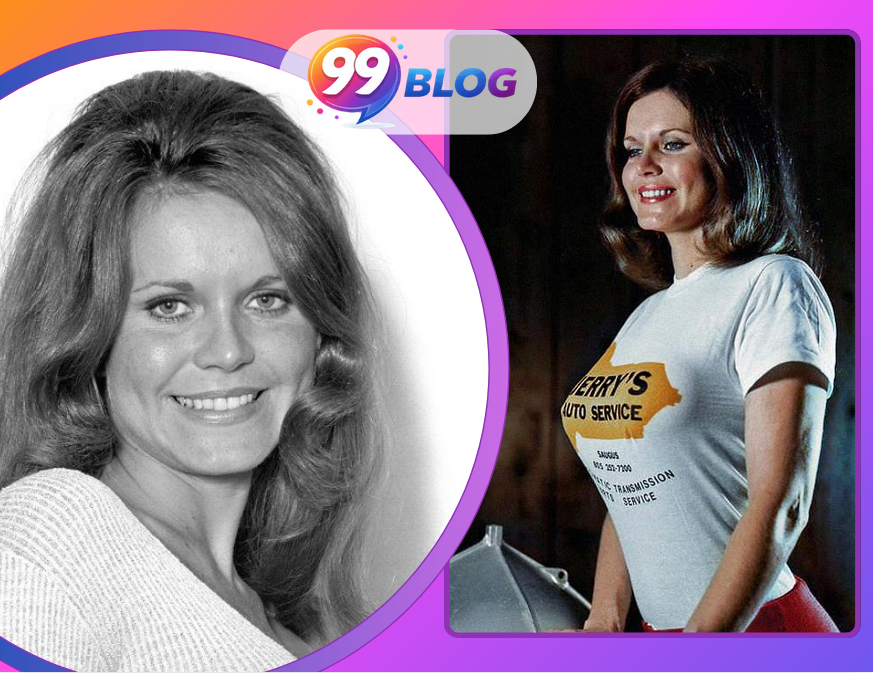
Barbara Roufs remains one of the most iconic figures in 1970s drag racing. As a trophy girl, she didn’t just hand out awards—she embodied the glamour, energy, and spirit of the sport. With her signature style and magnetic charisma, Barbara captured the hearts of fans and racers alike, leaving a lasting imprint on motorsports history. From her early life in Southern California to her rise as the Professional Dragster Association (PDA) Champion, her story is one of passion, ambition, and cultural influence.
| Category | Details |
|---|---|
| Full Name | Barbara Jean “Heather” Brown Riley Roufs |
| Known As | Barbara Roufs |
| Date of Birth | 1944 |
| Place of Birth | Southern California, USA |
| Date of Death | January 1991 |
| Place of Death | Fresno, California, USA |
| Age at Death | 47 |
| Occupation | Trophy Girl, Model, Motorsports Personality |
| Famous For | PDA Champion 1973, Queen of U.S. Professional Dragster Championship, 1970s drag racing icon |
| Career Highlights | – Debut as trophy girl in PDA events – PDA Champion and Queen in 1973 – Featured in racing ads and magazine spreads – Influential style in motorsports fashion |
| Style & Image | Signature teased/straightened hair, go-go boots, mod-inspired 1970s outfits |
| Cultural Impact | – Elevated trophy girl role in drag racing – Inspired female involvement in motorsports – Featured in vintage racing collectibles and documentaries |
| Net Worth | Approx. $1.5 million (from modeling, appearances, and memorabilia) |
| Family | Close family ties in Fresno; mother owned a beauty salon and was an active church organist |
| Legacy | Icon of 1970s Southern California drag racing, enduring influence on motorsports culture, nostalgic memorabilia presence |
| Challenges | Faced personal struggles with mental health; passed away by suicide |
| Notable Associations | Don Garlits, Professional Dragster Association (PDA), Orange County International Raceway |
Early Life and Formative Years
Born in 1944 in Southern California, Barbara Roufs grew up in a region pulsating with post-war optimism and the birth of car culture. Surrounded by beach cruisers, hot rods, and the energy of emerging motorsports, Barbara developed an early fascination with speed and spectacle. Her mother, a dedicated organist and beauty salon owner in Clovis, instilled values of creativity, discipline, and community engagement, shaping Barbara’s future persona.
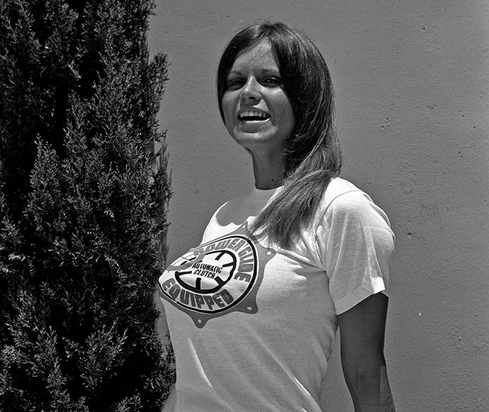
Barbara’s teenage years reflected her blend of style and courage. Known for her straightened hair, mod-inspired go-go boots, and outgoing personality, she became a familiar face at local car shows. Friends recall her fearless attitude and eagerness to engage with people, qualities that set her apart in a predominantly male environment. These experiences laid the foundation for her legendary role in drag racing, where poise met high-octane excitement.
Entry Into Drag Racing
Barbara Roufs’ entrance into professional drag racing occurred in the late 1960s. She began working as a trophy girl for the Professional Dragster Association, quickly gaining attention for her charm and professionalism. While her official role involved presenting trophies to winners, Barbara’s presence elevated the events, turning races into spectacles and creating a magnetic connection with audiences.
By 1973, Barbara’s dedication culminated in her being crowned PDA Champion and Queen of the U.S. Professional Dragster Championship at the 6th annual event at Orange County International Raceway. This distinction placed her at the pinnacle of her field, with fans recognizing her not just for beauty, but for her embodiment of racing culture itself.
Key milestones in her drag racing ascent include:
- Debuting as a trophy girl at major PDA events across Southern California
- Appearing in promotional materials and advertisements for racing events
- Cultivating a devoted fan base ranging from casual attendees to motorsports enthusiasts
Barbara Roufs helped redefine the role of women in motorsports, demonstrating that glamour, professionalism, and visibility could shape cultural perceptions in a male-dominated industry.
Career Highlights and Achievements
Barbara Roufs’ career in the early 1970s highlighted her dual talents as a model and sports personality. Her role extended beyond handing out trophies; she actively engaged with winners, mingled with racing legends like Don Garlits, and brought energy to every track she visited. Her image was leveraged in promotional campaigns, magazine spreads, and event posters, blending fashion with the raw excitement of drag racing.
Notable career achievements include:
- Winning the 1973 PDA Champion title
- Being crowned Queen at the U.S. Professional Dragster Championship
- Becoming a staple in 1970s racing photography, with her iconic images continuing to sell in collectibles markets
Barbara was also admired for her professionalism and dedication to safety at events, emphasizing teamwork and respect within the racing community. Her influence helped elevate the status of trophy girls, turning them into recognized ambassadors of the sport.
Personal Life and Family
Away from the spotlight, Barbara Roufs led a grounded life in Fresno, California. Born Barbara Jean “Heather” Brown Riley Roufs, her name reflects the multiple chapters of her personal journey. Her mother remained a pivotal influence, emphasizing faith, community, and resilience until her passing in 2005. Though details about siblings or children remain scarce, Barbara was known for maintaining a close-knit circle of family and friends in Clovis.
Barbara balanced her high-profile career with a quieter domestic life, enjoying activities away from the roar of engines. Neighbors recall her warmth and approachability, often hosting gatherings that combined racing stories with family celebrations. This contrast—glamorous star by day, family-focused figure by night—underscored her multifaceted personality and grounded her legendary status in reality.
Style and Cultural Influence
Barbara Roufs became synonymous with 1970s drag racing fashion. Her trademark straightened, teased hair and bold go-go boots reflected the era’s mod-inspired trends. Paired with figure-flattering outfits, her look created a visual signature that made every trophy presentation memorable.
Her style extended beyond aesthetics; it influenced motorsports marketing by attracting larger audiences and shaping the visual culture of racing events. Today, her images evoke nostalgia and inspire enthusiasts in vintage racing apparel, automotive advertising, and retro pop culture circles.
Cultural impact highlights:
- Pioneering glamorous representation in a male-dominated sport
- Inspiring modern revivals of 1970s racing fashion
- Appearing in documentaries and retrospectives celebrating drag racing icons
Barbara demonstrated that charisma and style could amplify a sport’s popularity as effectively as speed and technology.
Challenges and Tragic End
Despite her fame, Barbara Roufs faced personal struggles behind the scenes. The pressures of public scrutiny and constant travel took a toll over time. In January 1991, she tragically passed away by suicide at the age of 47 in Fresno. Her death shocked the racing community, highlighting the often-overlooked mental health challenges of public figures in high-profile careers.
Barbara’s passing prompted conversations about support systems and emotional well-being for those in the limelight. Her story reminds us that even figures celebrated for glamour and success face vulnerability and hardship.
Lasting Legacy in Motorsports
Barbara Roufs’ legacy continues to resonate in drag racing and motorsports culture. Vintage posters, magazine covers, and memorabilia preserve her image as a symbol of 1970s Southern California car culture. She elevated the role of trophy girls to celebrity status and inspired subsequent generations of women to pursue visibility in motorsports.
Her enduring contributions include:
- Raising trophy girl prestige to a recognized, influential role
- Boosting race attendance through star power and charisma
- Symbolizing the glamour and energy of Southern California racing
Her commitment to professionalism and enthusiasm remains a model for event hosts and motorsports personalities today.
Net Worth and Economic Impact
At the peak of her career, Barbara Roufs amassed an estimated net worth of $1.5 million, earned through modeling, promotional campaigns, and appearances. In an era without large sponsorship deals for trophy girls, this was a significant achievement. Her ongoing popularity in vintage racing memorabilia continues to generate revenue, underscoring her lasting economic influence.
Barbara’s visibility also indirectly boosted ticket sales, merchandise, and the overall popularity of tracks like Orange County International Raceway, showcasing her role as both an aesthetic and economic asset to the industry.
Barbara Roufs in Media and Pop Culture
Although not a mainstream celebrity, Barbara Roufs appeared in numerous racing magazines, advertisements, and promotional films throughout the 1970s. Her iconic style and energy have found renewed attention through social media, fan art, and online discussion forums, keeping her presence alive decades later.
Pop culture highlights:
- Her vintage ads inspire modern car shows and events
- Mentioned in books and documentaries about 1970s motorsports
- Celebrated in fan communities for her fashion and personality
Barbara Roufs remains a touchstone of nostalgia, bridging the worlds of glamour, sport, and 1970s pop culture.
Conclusion
Barbara Roufs’ life encapsulates the intersection of glamour, motorsports, and cultural impact. From her early Southern California upbringing to her crowning as PDA Champion, she left a lasting imprint on drag racing. While her life ended tragically in 1991, her spirit endures through photographs, memorabilia, and the stories of fans and fellow racers. Barbara’s legacy teaches us about the power of charisma, the influence of women in male-dominated spaces, and the human stories behind the headlines of history.
Frequently Asked Questions (FAQs)
Who was Barbara Roufs?
Barbara Roufs was a celebrated 1970s trophy girl in drag racing, crowned PDA Champion in 1973, known for her charisma and iconic style.
When and how did Barbara Roufs die?
She passed away in January 1991 at age 47 in Fresno, California, by suicide. Details remain private.
What was Barbara Roufs’ net worth?
Estimates suggest around $1.5 million, earned from modeling, appearances, and promotions, with her images still selling in vintage markets.
Why did Barbara Roufs become famous?
Her charm, PDA Queen title, and distinctive 1970s look—go-go boots and teased hair—made her a drag racing icon.
Where was Barbara Roufs born?
She was born in 1944 in Southern California, a hub for car culture and motorsports growth.
Did Barbara Roufs have a family?
Yes, she maintained close family ties in Fresno, with her mother being a significant influence until 2005.
What is Barbara Roufs’ legacy today?
She elevated trophy girl prestige, inspired women in motorsports, and continues to be a symbol of 1970s racing culture.
Don’t miss out — explore more powerful stories only on 99 Blog